
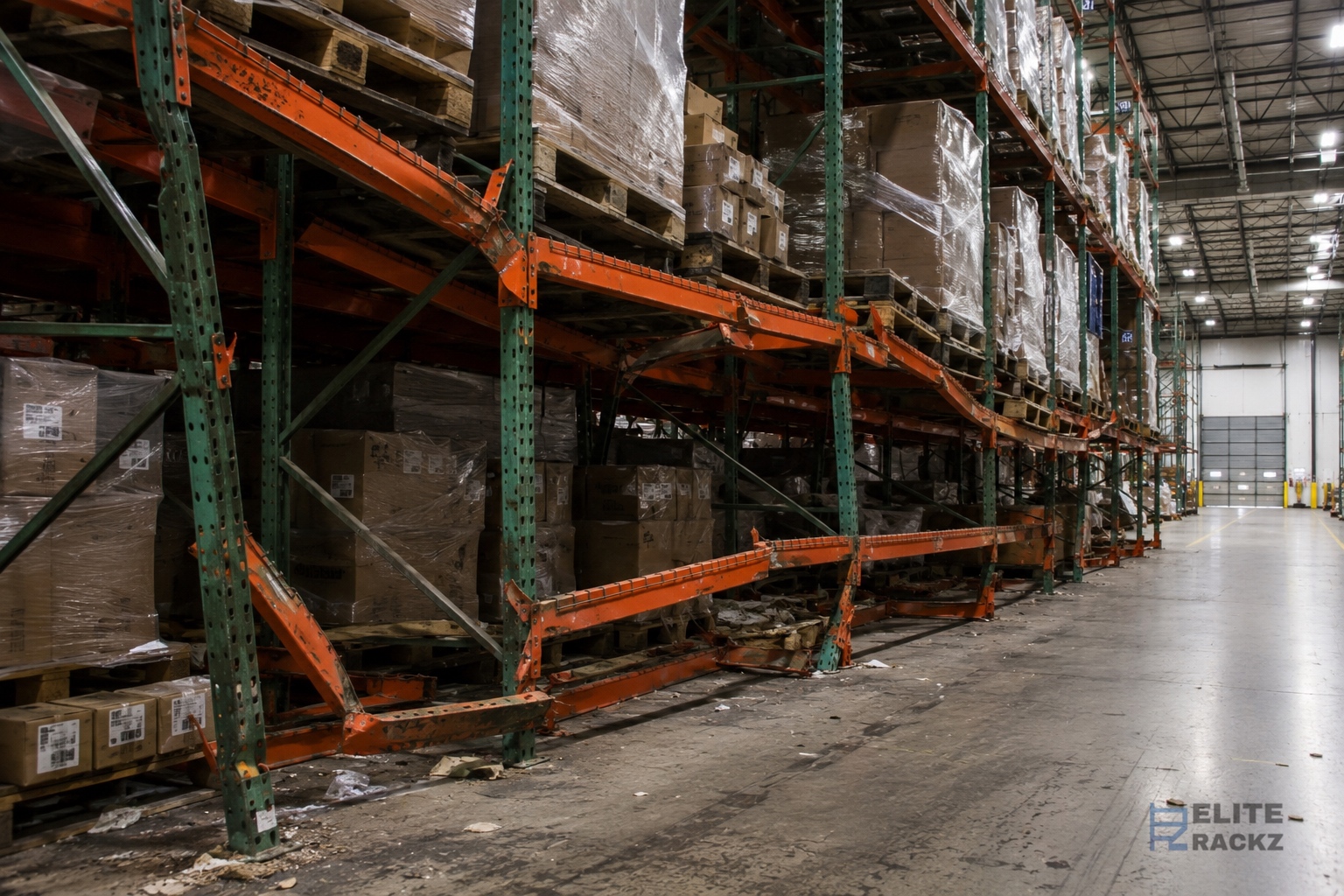
Pallet Rack Repair vs. Replacement
Before replacing an entire pallet rack frame, compare engineered repair kits, downtime, documentation, load capacity requirements, and whether the damaged area can be protected from future forklift impact.
The right answer depends on the upright, the damage, and the documentation requirement.
A bent pallet rack upright does not automatically mean the entire frame needs to be replaced. It also does not mean a generic patch is acceptable. The correct decision depends on the rack profile, footplate, beam elevations, damage location, load requirements, and whether the repair can be engineered and documented.
Elite Rackz helps facilities compare engineered pallet rack repair kits, full replacement, emergency repair, and guarding so the final recommendation is practical, documented, and built around real warehouse conditions.
Damage location
Front upright, side impact, base plate, anchors, braces, or beam connection.
Rack profile
Roll-form, structural, upright geometry, and whether a repair kit can be matched.
Operational impact
Aisle shutdown, unloading, lift access, installation timing, and downtime.
Documentation need
Stamped calculations, internal approvals, audit records, and load capacity concerns.
Engineered pallet rack repair kits can reduce disruption when the damage is repairable.
Pallet rack repair is often the stronger operational choice when the frame can be restored with a properly engineered kit and the repair path can be documented for safety, maintenance, and audit records.
Isolated upright damage
Repair may make sense when the damage is concentrated in a lower upright section and the surrounding frame can be evaluated and documented.
Known rack profile
Repair kit selection depends on upright dimensions, frame profile, footplate layout, and whether the kit can be engineered to fit the rack.
Downtime matters
Repair kits can help facilities avoid unnecessary tear-downs, long replacement delays, and added operational disruption.
What an engineered repair can look like.
The before-and-after photos belong here because they show the repair decision in action: damaged rack identified, repair strategy selected, and an engineered repair installed.
A repair kit should not be treated like a cosmetic cover. It should be matched to the damage, rack profile, installation condition, and documentation requirements.
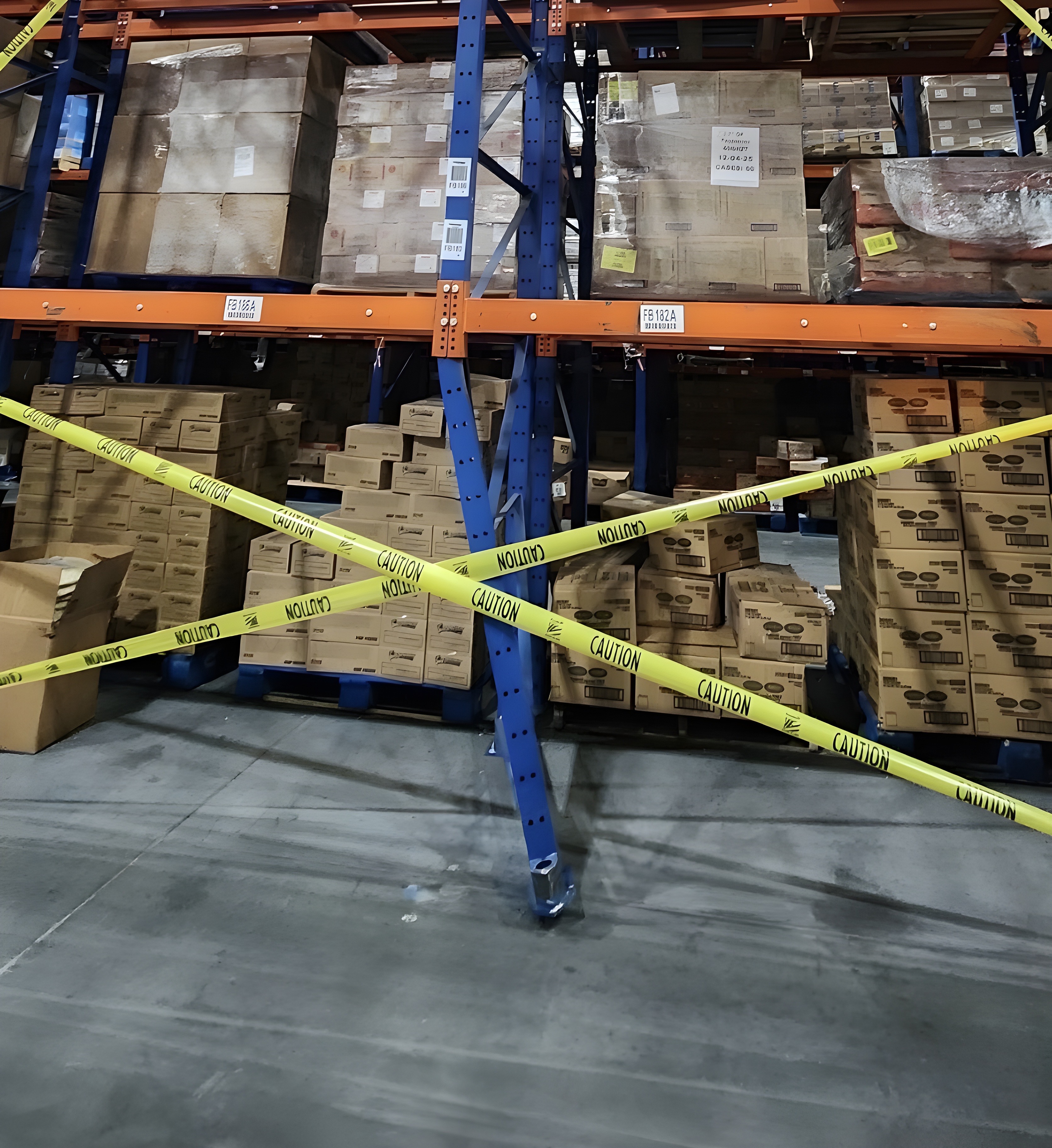
Damaged upright
Damage is documented and reviewed before deciding whether repair or replacement makes sense.
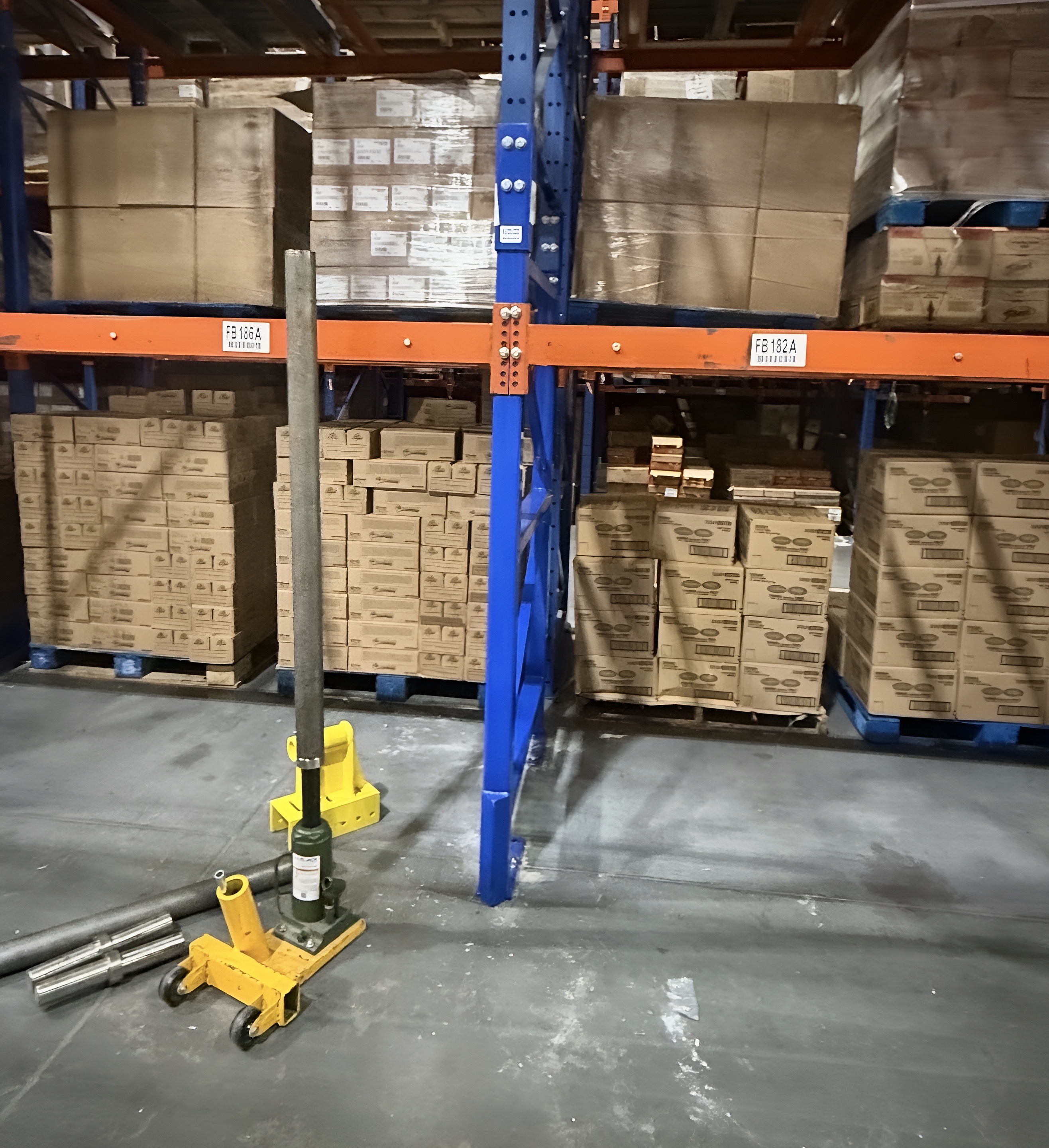
Engineered repair
A documented repair path can restore the damaged section and prepare the area for protection planning.
Matched repair kit
Repair strategy depends on upright profile, damage location, and frame geometry.
Stamped documentation
Engineering documentation can support internal safety review and audit records.
Protection planning
After repair, guarding may help reduce repeat forklift impact in the same zone.
Replacement can be the right answer when repair would create more risk than value.
A good repair company should tell you when not to repair. Replacement may be the better recommendation when damage is too severe, the rack is outdated, the configuration no longer supports the facility, or the condition cannot be properly documented.
Severe frame damage
Replacement may be needed when the damage is not isolated or the frame has multiple compromised areas.
Rack layout no longer fits the operation
If the rack configuration needs to change anyway, replacement or redesign may be more practical than repairing an outdated layout.
Unknown load capacity or undocumented changes
Missing load data, altered configurations, or unclear rack history can require deeper review before a repair decision is made.
Not sure which side you are on?
Send photos of the damage, upright, base plate, anchors, and surrounding bay. We can help determine the correct path.
Call (708) 980-2936Compare repair kits, replacement, and generic patchwork before choosing.
The cheapest-looking option is not always the lowest-risk option. The best pallet rack repair kit decision should consider downtime, engineering, documentation, and whether repeat impact protection is needed.
| Decision point | Engineered repair kit | Full replacement | Generic patchwork |
|---|---|---|---|
| Best use case | Isolated upright damage that can be engineered and documented. | Severe damage, redesign, or rack condition beyond practical repair. | Not recommended for structural decision-making. |
| Downtime | Usually designed to reduce tear-down and limit disruption. | May require unloading, removal, procurement, and reinstall planning. | May appear fast, but can create compliance and safety questions. |
| Documentation | Can include stamped calculations and repair documentation when applicable. | Depends on the rack system, installer, and required load documentation. | Often weak or missing. |
| Load capacity confidence | Must be reviewed against rack profile, repair design, and engineering requirements. | Can reset the area with new or replacement components, if correctly specified. | Unclear unless professionally reviewed. |
| Repeat damage prevention | Can be paired with column guards or end-of-aisle guards. | Still needs guarding if the impact condition remains. | Does not solve the impact environment. |
| Best next step | Send photos and measurements for repair kit review. | Review rack layout, lead time, and replacement scope. | Get a professional assessment before proceeding. |
The real cost is not just the part. It is the aisle, the labor, and the delay.
Pallet rack damage affects more than one upright. It can create blocked locations, internal approval delays, product movement, inspection concerns, and repeated maintenance headaches.
An engineered repair kit comparison should include the full operating picture: how fast the repair can be reviewed, what documentation is available, whether product needs to move, and how the repaired area will be protected from the next impact.
Replacement may require more coordination
Full replacement can mean product movement, rack removal, rack procurement, installation scheduling, and longer operational disruption.
Repair may move faster when the damage qualifies
If the damage fits an engineered repair path, a pallet rack repair kit can reduce disruption and restore the damaged area without unnecessary replacement.
Emergency damage?
Use the emergency rack repair page if the damage is blocking an aisle, creating an active safety concern, or needs immediate triage.
View Emergency Repair →A repair kit should be more than a piece of steel bolted over damage.
The difference is the strategy: rack profile review, fit, steel, anchors, engineering requirements, installation approach, and documentation. A repair without that process can leave your team with unanswered safety and audit questions.
Matched to the rack
Repair strategy depends on upright profile, frame geometry, and damage location.
Stamped calculations
Engineering documentation helps support internal review, safety records, and audits.
Made in USA
Elite Rackz manufactures in South Chicago Heights, IL, with in-house production control.
Guard the repaired area
Repair can be paired with column guards or end-of-aisle guards to reduce repeat damage.
A repair decision needs to hold up beyond the install.
Maintenance teams, EHS leaders, and operations managers need records that explain what was damaged, what was repaired, and how the repair was justified. That is why documentation matters as much as the kit itself.
Elite Rackz can help with rack damage assessment, stamped engineering calculations when applicable, repair documentation, load capacity review, and guidance on whether guarding should be added to the repaired location.
Photo documentation
Document the damage, location, rack bay, upright, base plate, and surrounding conditions.
Stamped engineering calculations
Support the repair path with documentation when the project qualifies and requires it.
Load capacity and labels
Review whether the rack area needs updated load capacity documentation or labels.
Fix the damaged upright, then reduce the chance it happens again.
If the same aisle keeps getting hit, repair alone may not solve the problem. Facilities often combine pallet rack repair kits with column guards, end-of-aisle guards, and other warehouse rack guarding to reduce recurring damage.
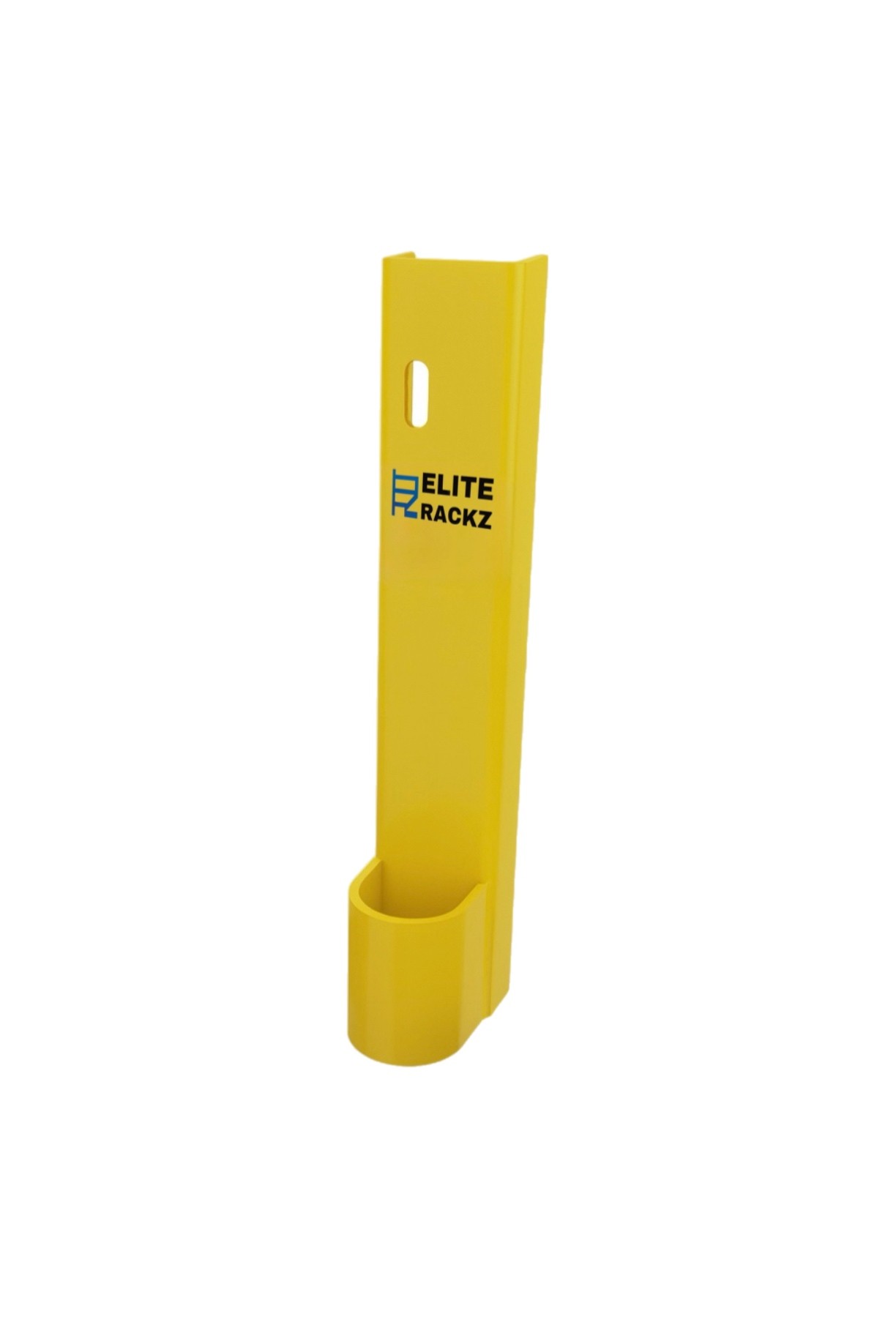
Column Guards
Protect individual pallet rack uprights and lower impact zones after repair.
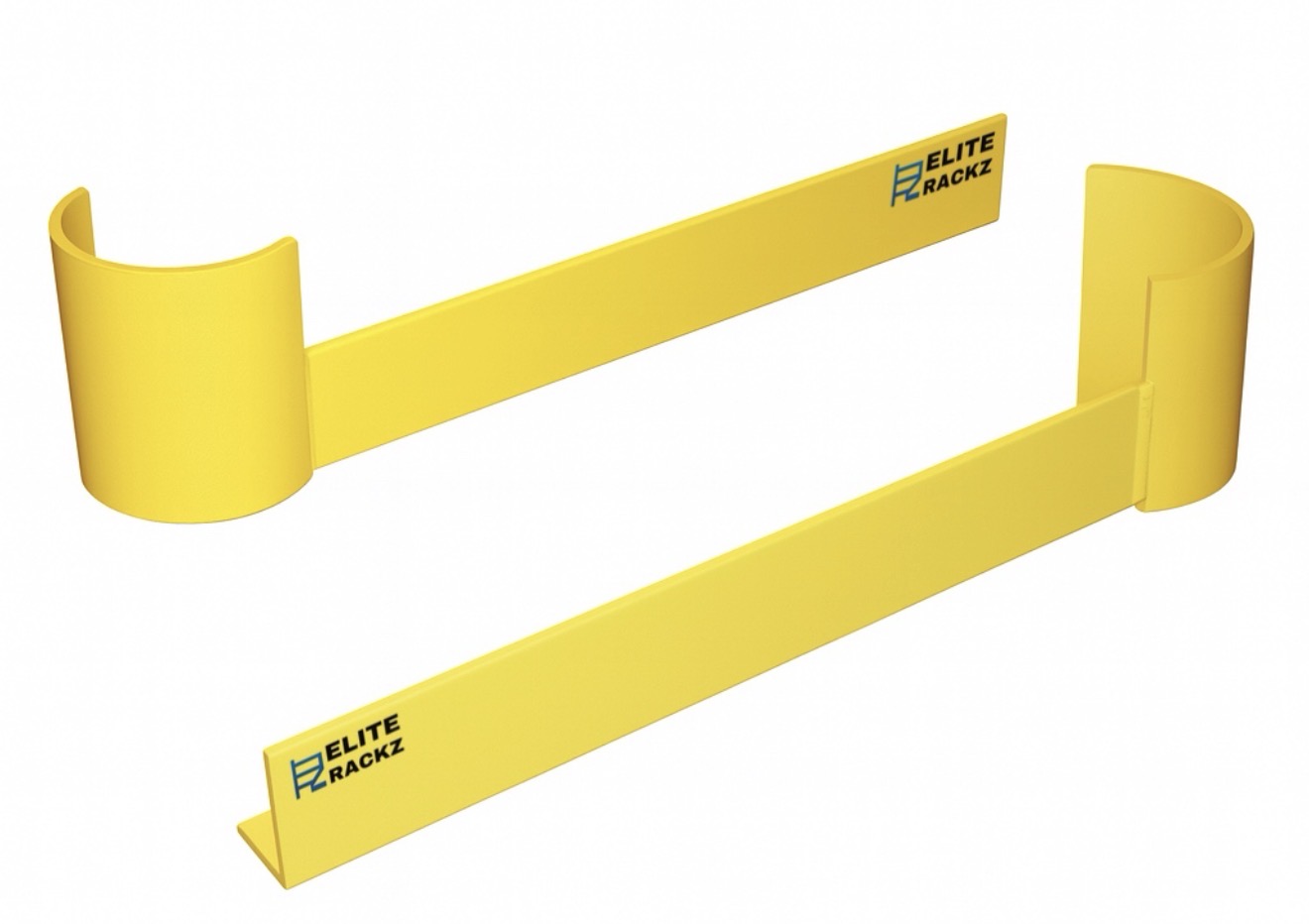
End-of-Aisle Guards
Protect exposed rack row ends from turning traffic and repeat forklift impact.
Damaged rack upright?
Start with repair review before choosing a guard.
Repeat forklift impact?
Add guarding to reduce recurring damage in the same aisle.
Need both?
Elite Rackz can recommend a combined repair-and-protection plan.
Built for teams comparing repair options before committing to replacement.
This comparison is for warehouse teams that need a practical, documented answer — not a one-size-fits-all recommendation.
Warehouse operations
Teams trying to avoid unnecessary downtime, rack tear-downs, and blocked aisles.
EHS and safety
Teams that need a documented rack damage decision before an audit or internal review.
Facilities and maintenance
Teams responsible for repairs, access, scheduling, and keeping the facility running.
Procurement
Buyers comparing engineered rack repair kits, replacement, documentation, and lifecycle value.
Pallet rack repair vs. replacement questions.
Common questions about repair kits, replacement decisions, load capacity, documentation, and repeat damage prevention.
When should pallet rack be repaired instead of replaced?
When is pallet rack replacement the better option?
Do pallet rack repair kits include stamped calculations?
Will the rack hold the same load capacity after repair?
Can repaired rack be protected from future forklift damage?
What should I send for a repair vs. replacement review?
Need a real recommendation?
Send photos of the damage and rack layout. Elite Rackz can help determine whether engineered repair, replacement, emergency support, or guarding is the right next step.
Talk to Elite Rackz
Or request a quote and include rack or damage photos when available.